Explainer · Smart rings and health
How a Smart Ring Reads Your Body, and How Far to Trust It
A band of titanium now carries an optical pulse sensor, a thermometer and a motion sensor. Here is how each one works, what the validation studies show and where regulators draw the line.
In a sleep laboratory in Boston, 35 healthy adults each spent a night wired for polysomnography, the clinical test that records brain waves, eye movements and muscle activity, while wearing an Oura ring on an index finger, a Fitbit on one wrist and an Apple Watch on the other. Scored in 30-second slices, the ring matched the laboratory’s verdict on whether the sleeper was awake or in light, deep or REM sleep 76.3 percent of the time, researchers at Brigham and Women’s Hospital reported in a 2024 study in Sensors that Oura funded.1
That number captures both the promise and the limit of the smart ring. The Apple Watch scored 75.0 percent and the Fitbit 70.9 percent, so the ring held its own. But it still disagreed with the laboratory about once in every four half-minutes, and its whole-night estimates of each person’s deep and REM sleep agreed poorly with the reference, the authors found.1
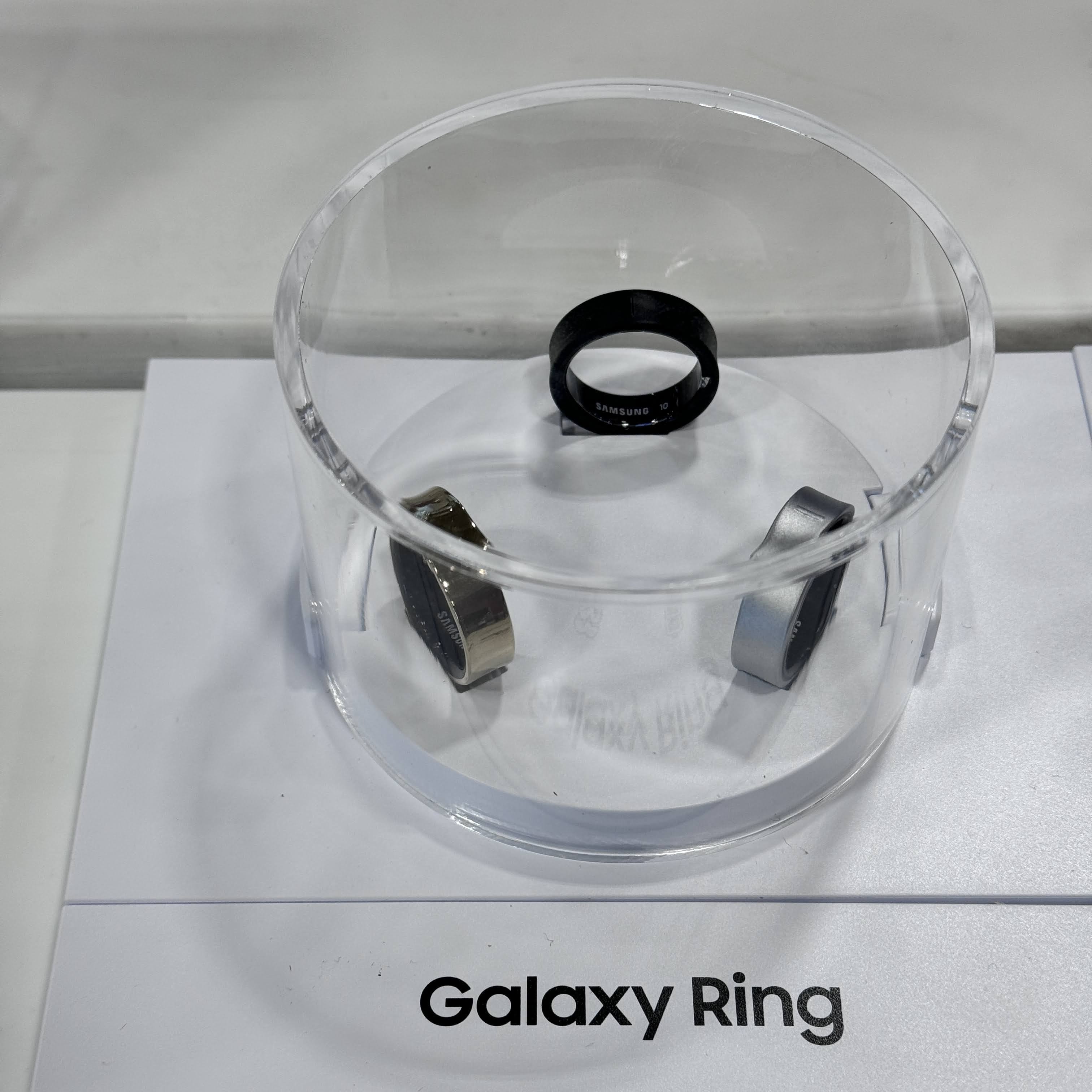
The stakes are rising. On Nov. 3, 2026, Samsung made a sleep apnea screening feature available on its Galaxy Ring in the United States after the Food and Drug Administration cleared the software in July, HIT Consultant reported; Samsung presented it as the first FDA-cleared over-the-counter sleep apnea feature designed for a smart ring.2 The FDA’s summary of the clearance shows the trade-off. In a 469-person study, the ring flagged 155 of the 199 participants who had moderate to severe sleep apnea, or 77.9 percent; the same software on a Galaxy Watch caught 90.8 percent.3
The market’s size and its competitors are covered in our statistical analysis and in The Alexi Report. This explainer sets out what is inside a ring, how each sensor turns light, heat and movement into health numbers, what the validation studies show, and where regulators, privacy law and the hardware set limits.
What is inside the band
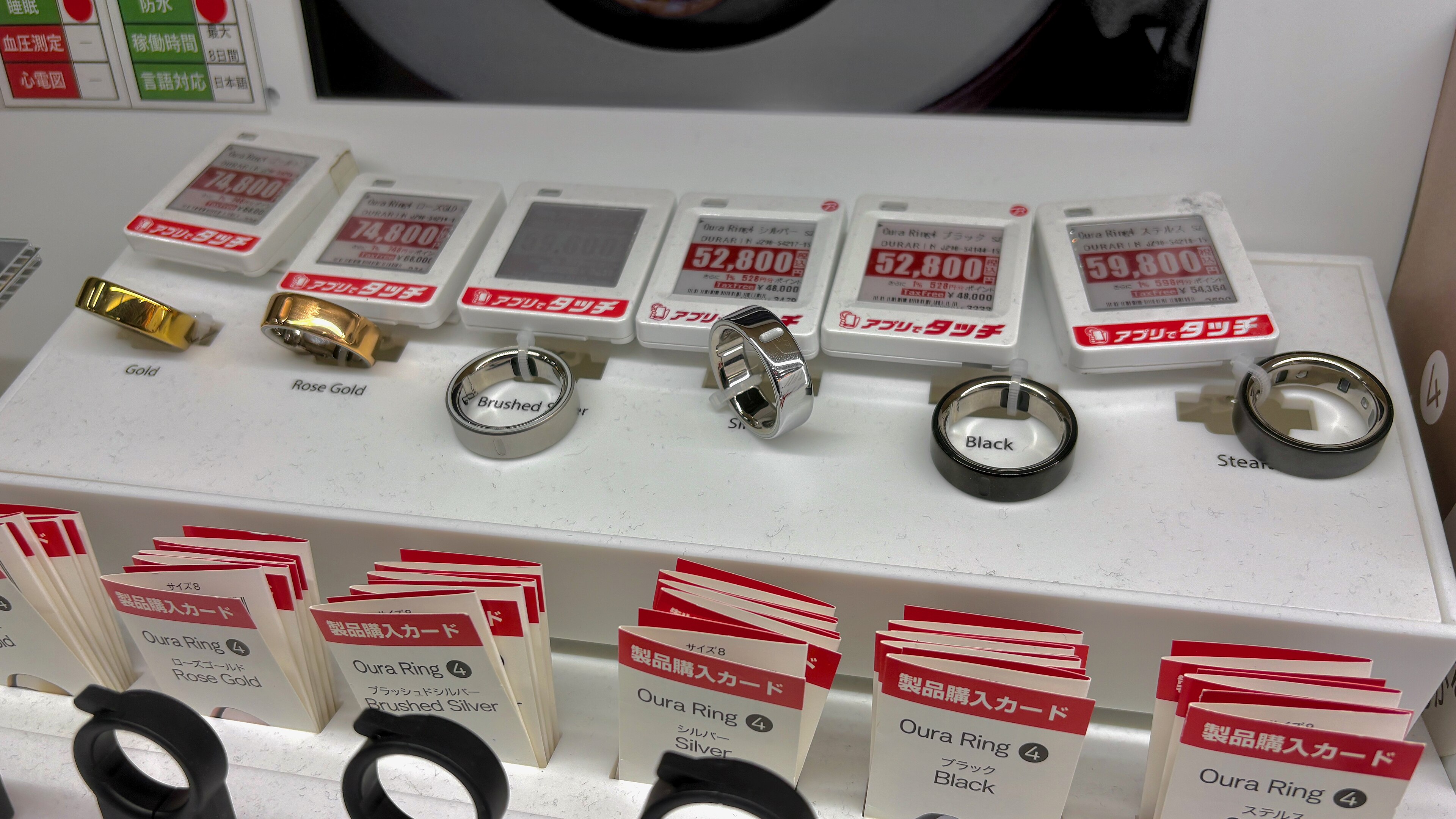
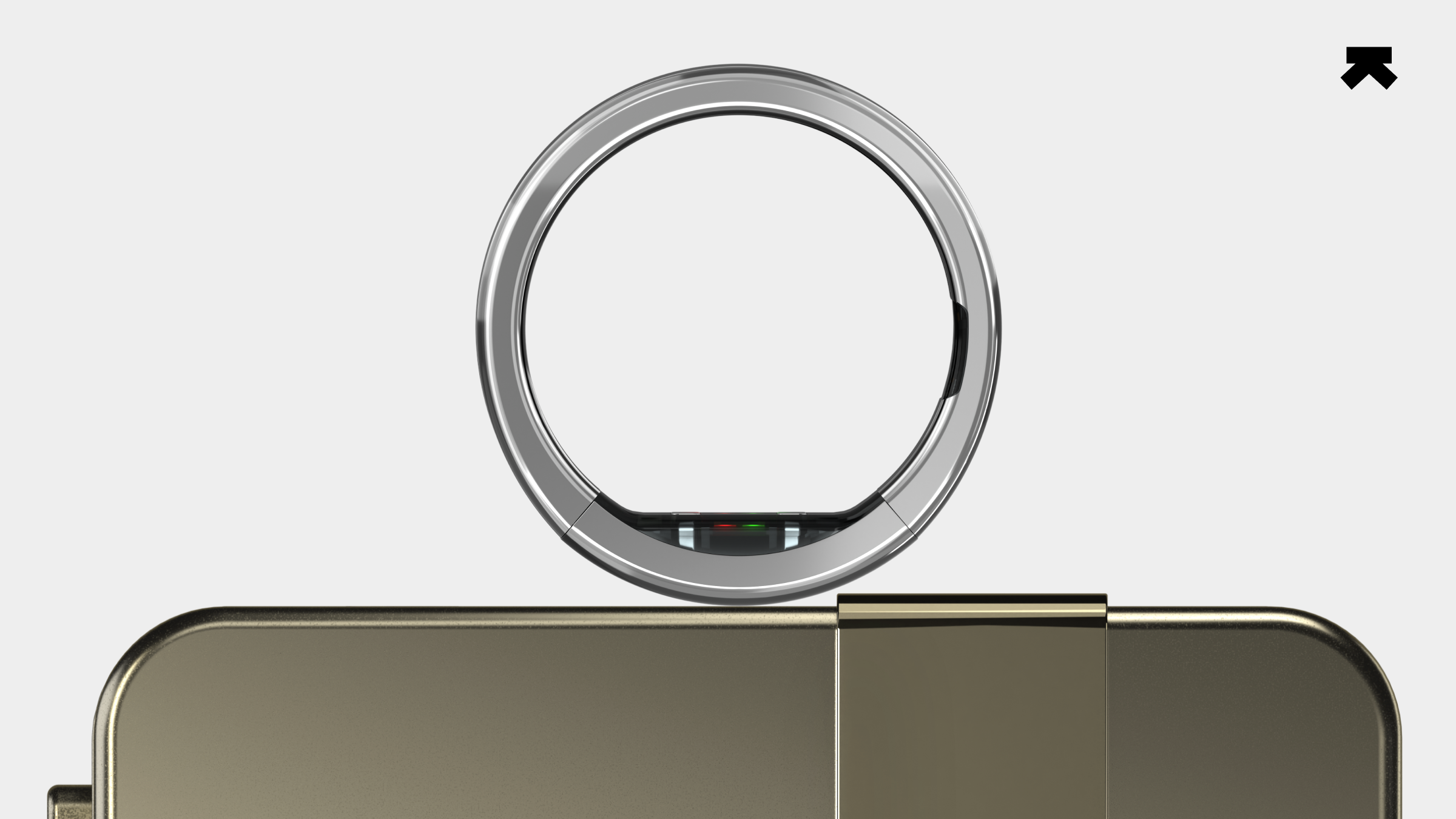
A smart ring is a complete wearable computer bent into a circle. In a 2021 paper in Sensors, two Oura researchers described the company’s second-generation ring as a titanium cover around a battery, power circuitry, a dual-core processor, memory, two light-emitting diodes (LEDs), a light sensor, temperature sensors, a three-axis accelerometer and a Bluetooth radio, with every sensor facing the palm side of the finger.6
The bands keep shrinking. Oura says Oura Ring 5, announced on May 28, 2026, is 6.09 millimeters wide and 2.28 millimeters thick, 40 percent smaller than its predecessor, with low-profile sensor domes and six to nine days of battery life.7 Oura Ring 4, launched in October 2024 at $349, put titanium on the inside as well as the outside and recessed its sensors; the company rates it at up to eight days per charge.8 Samsung lists three sensors in the Galaxy Ring: an accelerometer, an optical bio-signal sensor and a skin temperature sensor. It rates the battery at up to seven days for sizes 12 and 13, and up to six days for smaller sizes.9
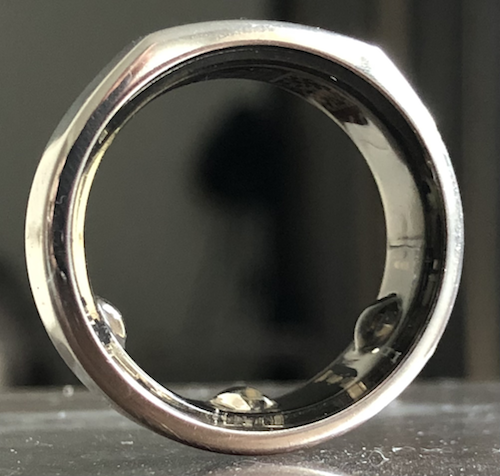
Each sensor does one physical job; the sleep, readiness and stress scores layered on top are software, and that software is almost always proprietary: a 2025 systematic review of 107 smart ring studies found that 89 percent relied on proprietary algorithms.5
| Sensor | How it works | Sampling reported | What apps derive |
|---|---|---|---|
| Optical (PPG): LEDs and photodiodes | Light enters the skin; the share that returns rises and falls with the volume of blood in the tissue | 125 Hz, infrared at 900 nm (research ring); 250 Hz (Gen 2) | Heart rate, heart rate variability, breathing rate, blood oxygen; inputs to sleep staging |
| Temperature: NTC thermistor | Electrical resistance changes with skin temperature; uncalibrated | Every 10 seconds, 0.07 °C resolution | Change from the wearer’s own baseline; cycle phase; illness signals |
| Motion: three-axis accelerometer | Measures acceleration along three axes | 50 Hz, ±2 g | Steps, activity, sleep and wake, restlessness |
Sources: Altini and Kinnunen, Sensors (2021); Kristiansson et al., BMC Medical Research Methodology (2023); Castaneda et al., International Journal of Biosensors & Bioelectronics (2018). Sampling varies by model and firmware.
Light, blood and the finger
The main sensor is optical. Photoplethysmography, or PPG, shines light from LEDs into the skin and measures how much returns to a photodetector; because blood volume in the tissue swells with each heartbeat, the returning light pulses in step, as a 2018 review of wearable PPG sensors explains. Most PPG sensors use green or infrared light, the review notes, and infrared penetrates more deeply into tissue.11 Oura’s research ring placed two infrared LEDs, at 900 nanometers, on either side of a photodetector and sampled the signal 125 times a second.6
That pulse wave yields most of a ring’s headline numbers. Heart rate is the count of beats. Heart rate variability, or HRV, is the variation in the time between them; it tracks the autonomic nervous system, which behaves differently in each sleep stage, so it is a core input to sleep staging.6 Blood oxygen saturation, or SpO2, relies on the principle of a fingertip pulse oximeter, which, in the FDA’s description, uses light beams to estimate the blood’s oxygen.12
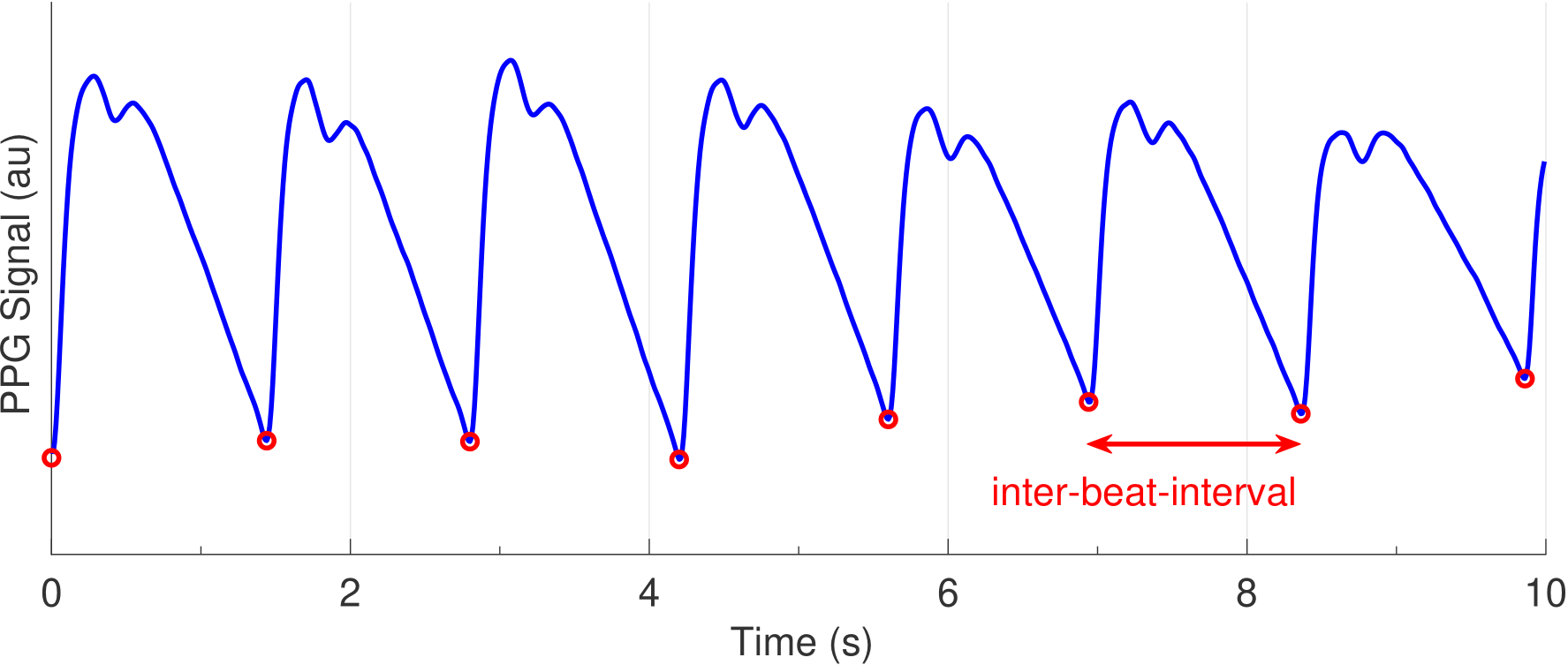
Why the finger? In a 2019 study in Sensors that tested PPG at eight places on the body, the finger was the best single site for measuring heart rate, blood oxygen and breathing rate together at rest, though no site managed all three while volunteers walked.13 At night a ring may also catch subtler movement. Wrist-worn trackers typically register only larger movements involving the forearm, a 2026 meta-analysis notes, while a finger-worn device may pick up the much smaller hand and finger movements of wakefulness and light sleep.4 Oura says Oura Ring 5’s pulse signal is up to 100 times stronger than a wrist wearable’s, without saying how it measured that.7
On nighttime heart rate the evidence is solid. A 2022 study in the Journal of Medical Internet Research compared an Oura ring with a chest electrocardiogram (ECG) in 35 healthy people at home and found it measured nightly heart rate and RMSSD, the HRV measure the Oura app displays, accurately; some specialized HRV indices had high error rates.14 In a 2025 study in Physiological Reports, 13 adults wore several devices and an ECG for a combined 536 nights. Oura’s fourth-generation ring came within 5.96 percent of the ECG on nightly HRV, on average, closer than WHOOP, Garmin and Polar devices tested alongside it.15
Reviews add a caution. The 2025 systematic review in Biomimetics, covering about 100,000 participants, reported very high agreement with reference devices for heart rate and HRV (r² of 0.996 and 0.980), but judged 65 percent of the studies to be at moderate to high risk of bias and flagged small samples and poor reporting of participant diversity.5
Temperature and movement
In Oura’s research ring, the thermometer was a negative temperature coefficient (NTC) thermistor, a resistor whose resistance falls as it warms. It was uncalibrated, read the skin at the base of the finger every 10 seconds and resolved changes of 0.07 degree Celsius.6 Rings therefore present temperature as change rather than as a clinical reading; Samsung, for example, says its ring gives readings on skin temperature changes while you sleep.9
Small shifts carry information. In a 2019 pilot study of 22 women in BMC Women’s Health, nightly finger temperature from an Oura ring averaged 0.30 degree Celsius higher in the luteal phase of the menstrual cycle than in the follicular phase.16 The FDA has cleared Natural Cycles, a contraception app, to take temperature automatically from the Oura ring, in a 510(k) clearance dated June 24, 2021; the clearance belongs to the app maker, not to Oura.17 In the TemPredict study’s first 50 participants with Covid-19, Scientific Reports reported, a commercially available wearable picked up rises in peripheral temperature that correlated with self-reported fever.18
The third sensor, a three-axis accelerometer, sampled movement 50 times a second in Oura’s research ring.6 It counts steps, estimates activity and supplies sleep tracking’s oldest clue, stillness. Its step counts suit trends better than tallies. In a 2023 study in BMC Medical Research Methodology, 32 people wore an Oura ring alongside reference monitors for 14 days; the ring’s step counts correlated strongly with a pedometer’s but overestimated them by about 2,100 steps a day on average.10
Sleep: an estimate, not a recording
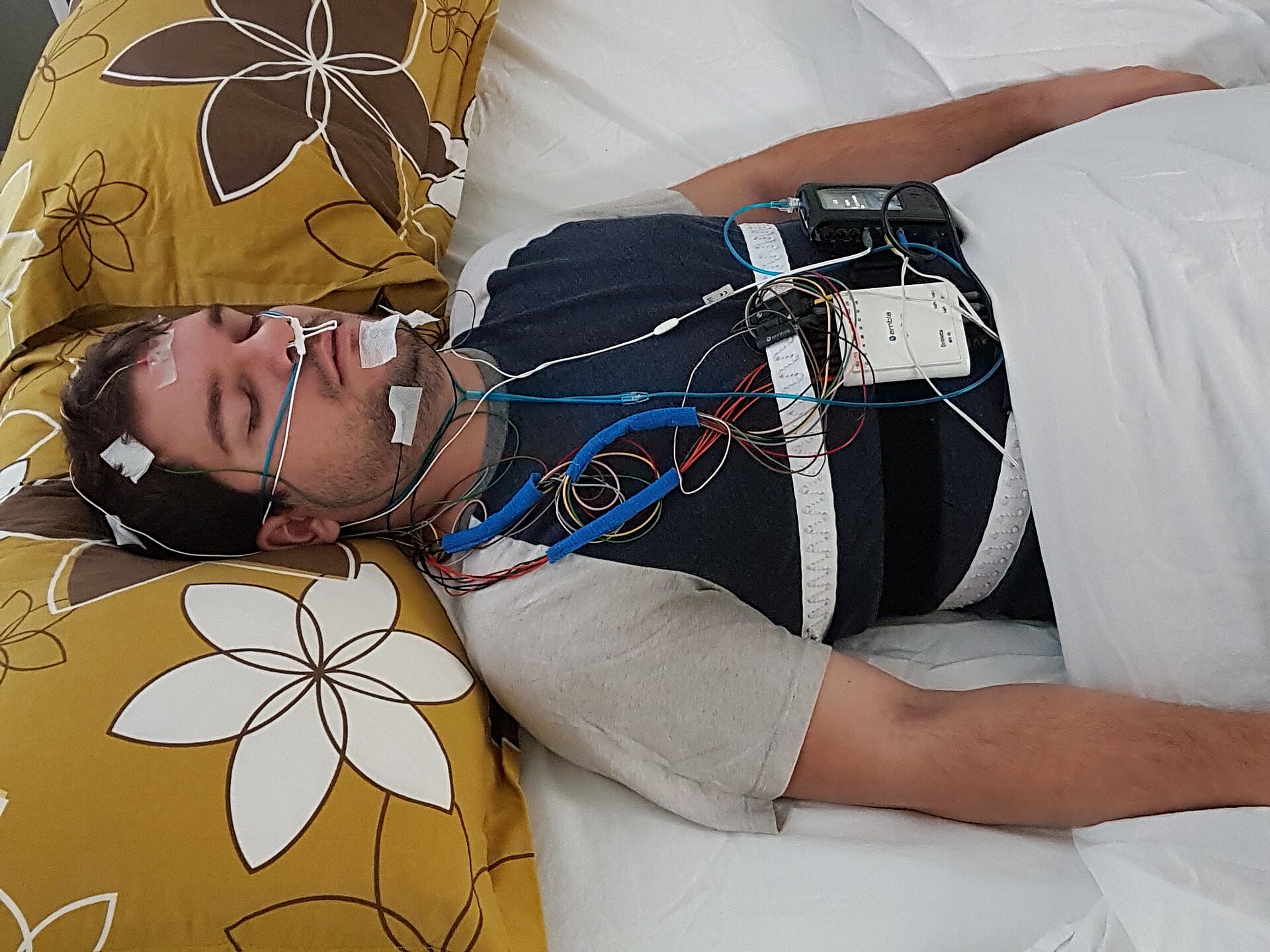
Polysomnography stages sleep from the brain itself. It records brain waves, eye movements, muscle activity and heart rhythm, according to the U.S. National Library of Medicine, and scorers label each 30-second epoch as wake, N1, N2, N3 or REM.196
A ring measures none of those signals. It infers stages from movement, heart rate, HRV and temperature, plus the time of night, since REM sleep is more frequent in the second half. In the 2021 Oura paper, based on 440 nights from 106 people on three continents, a model using the accelerometer alone classified four stages correctly 57 percent of the time; adding autonomic and circadian features raised that to 79 percent in cross-validation.6
Independent studies show a consistent pattern: rings recognize sleep well and wakefulness less well. A 2019 study in Behavioral Sleep Medicine found that the first-generation Oura ring detected 96 percent of sleep epochs in 41 adolescents and young adults, but only 48 percent of wake epochs.20 A 2024 study in Sleep Medicine of 96 Japanese adults, covering 421,045 epochs, found that the third-generation ring with Oura’s newer algorithm detected sleep with 94.4 to 94.5 percent sensitivity and wake with 73.0 to 74.6 percent specificity; stage accuracy ranged from 75.5 percent for light sleep to 90.6 percent for REM.21
The 2026 meta-analysis in the Journal of Translational Medicine, which drew on 28 articles about 11 finger-worn devices, put pooled accuracy at 87 percent for telling sleep from wake, but at 65 percent for light sleep, 81 percent for deep sleep and 74 percent for REM. The authors concluded that such devices may be used to track sleep over time in healthy adults but should not replace polysomnography for a detailed assessment of sleep architecture.4
Much of this evidence concerns Oura. In a 2023 Korean study of 11 consumer sleep trackers, including the Oura Ring 3, agreement with polysomnography varied widely, with macro F1 scores, a combined accuracy measure, from 0.26 to 0.69.22 For other rings the record is thinner. For the Galaxy Ring, the most detailed public figures we found are in Samsung’s FDA submission.3 Ultrahuman publishes its own accuracy reports; one says the ring’s overnight heart rate was typically 2.9 beats a minute from an ECG chest strap, over 19 nights in nine people.23 RingConn’s sleep apnea algorithm has been described in conference papers; in the 2026 meta-analysis it had the lowest accuracy, 86 percent, among devices assessed at the severe threshold of 30 breathing events an hour.4
| Device | Study | Participants | Reference | Headline result |
|---|---|---|---|---|
| Oura, first generation | de Zambotti et al., Behavioral Sleep Medicine, 2019 | 41 | Polysomnography, 1 night | Sleep detected 96%; wake 48% |
| Oura Gen3 | Svensson et al., Sleep Medicine, 2024 | 96 | Polysomnography, up to 3 nights | Sleep 94.4–94.5%; wake 73.0–74.6%; stages 75.5–90.6% |
| Oura Gen3, Apple Watch Series 8, Fitbit Sense 2 | Robbins et al., Sensors, 2024 (Oura-funded) | 35 | Polysomnography, 1 night | Four-stage agreement: Oura 76.3%, Apple 75.0%, Fitbit 70.9% |
| Oura Gen3 and Gen 4, WHOOP, Garmin, Polar | Dial et al., Physiological Reports, 2025 | 13 | ECG, 536 nights | Nightly HRV error: Oura Gen 4 5.96%, Gen3 7.15% |
| Samsung Galaxy Ring (sleep apnea feature) | Samsung 510(k) summary K261011, 2026 | 469 | Polysomnography, 2 nights | Moderate to severe apnea: sensitivity 77.9%, specificity 95.9% |
| Ultrahuman Ring | Company-published report | 9 | ECG chest strap, 19 nights | Heart rate typically 2.9 beats a minute from reference |
| 11 finger-worn devices | Jin et al., Journal of Translational Medicine, 2026 (meta-analysis) | 28 articles | Polysomnography | Sleep vs. wake 87%; light 65%, deep 81%, REM 74% |
Sources: de Zambotti et al.; Svensson et al.; Robbins et al.; Dial et al.; FDA 510(k) summary K261011; Ultrahuman; Jin et al. Percentages for sleep are epoch-by-epoch sensitivity, specificity or accuracy as reported by each study; they are not directly comparable across studies.
For scale: even trained human scorers reach only about 80 percent correlation with one another, the Brigham researchers noted, with most errors at transitions into and out of REM.1
Where the regulator draws the line
In the United States, most ring features are sold as general wellness products that never go through FDA review. On Jan. 6, 2026, the agency revised its wellness guidance.24 According to an analysis by the law firm Covington & Burling, non-invasive wearables that estimate blood pressure, blood oxygen or HRV can now remain wellness products if their intended use is strictly about wellness and they meet other conditions, reversing the FDA’s mid-2025 position that blood pressure products were regulated medical devices.25
Features that claim to detect a disease need clearance, and few ring features have it. Samsung’s sleep apnea software, cleared as 510(k) K261011, runs on either a Galaxy Watch or a Galaxy Ring.26 It is meant for adults who have not been diagnosed with sleep apnea, needs two nights of data within 10 days and is not intended to replace diagnosis by a clinician. On the ring it raised fewer false alarms than on the watch, with specificity of 95.9 percent against 90.3 percent, but missed more cases.3 The ring itself is profiled in our Galaxy Ring article.
| Product | What was cleared | Number | Date |
|---|---|---|---|
| Samsung Sleep Apnea Feature v2.0 (Galaxy Watch or Galaxy Ring) | Over-the-counter software that detects signs of moderate to severe sleep apnea over two nights | K26101126 | July 20, 2026 |
| Natural Cycles app with the Oura ring | Contraception app accepting automatic temperature input from the Oura ring | K20289717 | June 24, 2021 |
| Movano Health EvieMED Ring | Pulse oximeter for spot checks of SpO2 and pulse rate, without motion | K24109027 | Nov. 29, 2024 |
| Belun Ring BLR-200 | Oximeter (FDA product code DQA) | K23411028 | Oct. 11, 2024 |
| Ninenovo Blood Oxygen Ring (Shenzhen Ninenovo Technology) | Prescription pulse oximeter for spot checks or continuous use, without motion | K26049029 | Oct. 2, 2026 |
Source: U.S. Food and Drug Administration, 510(k) database and 510(k) summaries. A clearance applies to the stated feature and intended use, not to everything the device measures.
The FDA’s 510(k) database lists no clearance with Oura or Ultrahuman as the applicant, a check of the database on Nov. 21, 2026, showed.30 It does list an Oct. 2, 2026, clearance for a prescription pulse oximeter, the Ninenovo Blood Oxygen Ring, from Shenzhen Ninenovo Technology,29 which develops and operates the RingConn app, according to RingConn’s privacy policy.31 The FDA summary does not say whether it is sold as a RingConn product. Oura’s chief executive, Tom Hale, said in 2024 that the company was seeking FDA approval, Slate reported.32 Gizmodo noted in July 2026 that Oura Ring 5’s feature for tracking breathing disturbances during sleep is not FDA-cleared, and that RingConn makes no mention of official approval for what it calls “sleep apnea monitoring.”33 Oura’s strategy is examined in our history of the company.
The skin-tone question
Optical sensors carry a known risk of bias. In a 2020 letter in the New England Journal of Medicine, University of Michigan researchers reported that among hospital patients whose pulse oximeters read 92 to 96 percent, arterial blood tests found oxygen saturation below 88 percent in 11.7 percent of measurements from Black patients, against 3.6 percent from White patients.34 The FDA convened advisory panels in November 2022 and February 2024 and, on Jan. 7, 2025, issued draft guidance on testing pulse oximeters across skin pigmentations.12 That draft covers oximeters for medical purposes; the agency has said blood oxygen products can also be sold as wellness products, Covington noted.25
For heart rate the picture is more reassuring. A 2020 study in npj Digital Medicine found no statistically significant difference in the heart-rate accuracy of consumer and research wearables across skin tones, though error during activity was on average 30 percent higher than at rest.35 Oura says the 12 optical signal pathways in Oura Ring 5 improve accuracy across more finger types and skin tones.7
Your data, and the bill
A ring gathers intimate data: when you sleep, your temperature through a menstrual cycle, early hints of illness. Health apps that HIPAA, the U.S. medical privacy law, does not cover fall under the Federal Trade Commission’s Health Breach Notification Rule, which the agency amended in 2024 to make clear that it applies to health apps and similar technologies and that a breach includes unauthorized disclosures; the changes took effect on July 29, 2024.36
Trust became a market issue in 2025. On Aug. 27, Oura announced a Texas manufacturing facility to meet the needs of the U.S. Department of Defense, its largest enterprise customer. When users noticed that Palantir was involved, some said publicly that they were giving up the ring. Hale said claims that Oura shared user data with Palantir were false: Oura’s separate enterprise platform must use Palantir’s FedStart hosting to meet government security rules, and the Pentagon sees only data that service members consent to share, Slate reported.32
In June 2026 Ultrahuman, maker of the Ring Air and Ring Pro, told customers that on March 27 an intruder had entered an internal analytics system with credentials stolen from an employee’s malware-infected laptop. The company told TechCrunch that the wellness data of about 0.1 percent of its users had been accessed, and said in a public notice that the access was read-only and that no passwords or payment data were involved.3738
Then there is the bill. Oura charges members in the United States $5.99 a month or $69.99 a year, a fee it introduced with its third-generation ring in 2021, CNET reported.3940 RingConn advertises that no subscription is required, and Samsung’s product page lists the Galaxy Ring from $299.99 without mentioning one.419
What a ring cannot do
A ring cannot diagnose. The American Academy of Sleep Medicine said in a 2018 position statement that consumer sleep technologies could not be used to diagnose or treat sleep disorders, given their lack of validation and FDA clearance.42 Even Samsung’s cleared feature is labeled to detect signs of sleep apnea, not to diagnose it.3
It cannot see the brain, so its sleep stages remain estimates, and it struggles with motion, as the studies above show.1335 Even the pulse oximeter in Movano Health’s EvieMED ring is cleared only for spot checks without motion.27
It depends on fit, on charging and on being worn at all. Oura and Samsung rate their current rings at six to nine days between charges, depending on model and size.789 Fingers change size; Movano designed the EvieMED ring with an open shape to keep a snug fit “during fluctuations in fluid retention and/or weight changes,” according to its FDA summary.27 And people stop wearing them: the 2025 systematic review found that adherence fell from 80 percent at three months to 43 percent at 12 months.5
It can also make sleep feel worse. Researchers coined the term orthosomnia in a 2017 paper in the Journal of Clinical Sleep Medicine for patients whose efforts to improve their tracker data became “a perfectionistic quest for the ideal sleep.”43 Used for what they do well, rings keep a long, comfortable record of one’s own sleep timing, resting heart rate, HRV and temperature, the use the 2026 meta-analysis supports for healthy adults.4 A worrying number is a question for a clinician, not an app.
This article is for general information only and is not medical advice.
Sources and notes
- Accuracy of Three Commercial Wearable Devices for Sleep Tracking in Healthy Adults. Sensors (MDPI), Robbins R. et al., Oct. 2024.
- Samsung Launches Upgraded Sleep Apnea Detection on Galaxy Ring and Watch: First FDA-Cleared Smart Ring Metric. HIT Consultant, Nov. 3, 2026.
- 510(k) Summary K261011: Sleep Apnea Feature v2.0 (Samsung Electronics). U.S. Food and Drug Administration, July 20, 2026.
- Performance evaluation of finger-worn devices for sleep stage classification and sleep apnea detection: a systematic review and meta-analysis. Journal of Translational Medicine, Jin Y. et al., May 2026.
- Smart Ring in Clinical Medicine: A Systematic Review. Biomimetics (MDPI), Gong E.J. et al., Dec. 2025.
- The Promise of Sleep: A Multi-Sensor Approach for Accurate Sleep Stage Detection Using the Oura Ring. Sensors (MDPI), Altini M. and Kinnunen H., June 2021.
- Introducing Oura Ring 5: The World’s Smallest Smart Ring. Oura, May 28, 2026.
- Discover the Brand-New Oura Ring 4. Oura, Oct. 3, 2024.
- Explore Galaxy Ring. Samsung Electronics America, accessed Nov. 21, 2026.
- Validation of Oura ring energy expenditure and steps in laboratory and free-living. BMC Medical Research Methodology, Kristiansson E. et al., Feb. 2023.
- A review on wearable photoplethysmography sensors and their potential future applications in health care. International Journal of Biosensors & Bioelectronics, Castaneda D. et al., Aug. 2018.
- Pulse Oximeters. U.S. Food and Drug Administration, updated Jan. 2025.
- A Comparison of Reflective Photoplethysmography for Detection of Heart Rate, Blood Oxygen Saturation, and Respiration Rate at Various Anatomical Locations. Sensors (MDPI), Longmore S.K. et al., Apr. 2019.
- Accuracy Assessment of Oura Ring Nocturnal Heart Rate and Heart Rate Variability in Comparison With Electrocardiography in Time and Frequency Domains. Journal of Medical Internet Research, Cao R. et al., Jan. 2022.
- Validation of nocturnal resting heart rate and heart rate variability in consumer wearables. Physiological Reports, Dial M.B. et al., Aug. 2025.
- Nocturnal finger skin temperature in menstrual cycle tracking: ambulatory pilot study using a wearable Oura ring. BMC Women’s Health, Maijala A. et al., Nov. 2019.
- 510(k) Summary K202897: Natural Cycles. U.S. Food and Drug Administration, June 24, 2021.
- Feasibility of continuous fever monitoring using wearable devices. Scientific Reports, Smarr B.L. et al., Dec. 2020.
- Polysomnography. MedlinePlus Medical Encyclopedia, U.S. National Library of Medicine, accessed Nov. 21, 2026.
- The Sleep of the Ring: Comparison of the ŌURA Sleep Tracker Against Polysomnography. Behavioral Sleep Medicine, de Zambotti M. et al., 2019 (online Mar. 2017).
- Validity and reliability of the Oura Ring Generation 3 (Gen3) with Oura sleep staging algorithm 2.0 (OSSA 2.0) when compared to multi-night ambulatory polysomnography. Sleep Medicine, Svensson T. et al. (record at Lund University Publications), 2024.
- Accuracy of 11 Wearable, Nearable, and Airable Consumer Sleep Trackers: Prospective Multicenter Validation Study. JMIR mHealth and uHealth, Lee T. et al., Nov. 2023.
- Your heart rate through the night. Ultrahuman Science, accessed Nov. 21, 2026.
- General Wellness: Policy for Low Risk Devices (final guidance). U.S. Food and Drug Administration, Jan. 6, 2026.
- FDA Issues Revised Guidance on General Wellness Products. Covington & Burling, Jan. 8, 2026.
- 510(k) Premarket Notification K261011: Sleep Apnea Feature (v2.0). U.S. Food and Drug Administration, 510(k) database, Decision July 20, 2026.
- 510(k) Summary K241090: Evie Med Ring (Movano Health). U.S. Food and Drug Administration, Nov. 29, 2024.
- 510(k) clearance letter K234110: Belun Ring BLR-200. U.S. Food and Drug Administration, Oct. 11, 2024.
- 510(k) Summary K260490: Ninenovo Blood Oxygen Ring (Shenzhen Ninenovo Technology Limited). U.S. Food and Drug Administration, Oct. 2, 2026.
- 510(k) Premarket Notification database. U.S. Food and Drug Administration, searched Nov. 21, 2026 (openFDA data updated Nov. 9, 2026).
- RingConn App Privacy Policy. RingConn (Onovo Technology (Hong Kong) Limited), accessed Nov. 21, 2026.
- Oura’s Partnership With the Pentagon Is Ringing Alarm Bells for Customers. Slate, Oct. 2, 2025.
- Samsung’s Galaxy Ring Gets FDA-Cleared Sleep Apnea Detection This Fall. Gizmodo, July 27, 2026.
- Racial Bias in Pulse Oximetry Measurement. New England Journal of Medicine, Sjoding M.W. et al., Dec. 2020.
- Investigating sources of inaccuracy in wearable optical heart rate sensors. npj Digital Medicine, Bent B. et al., Feb. 2020.
- Health Breach Notification Rule (final rule). Federal Trade Commission, Federal Register, May 30, 2024.
- Ultrahuman says hackers accessed customers’ wellness data via internal tool. TechCrunch, June 3, 2026.
- Notice of a security incident — March 2026. Ultrahuman, 2026.
- Oura Ring Membership. Oura, accessed Nov. 21, 2026.
- The $300 Oura Ring Gen3 improves heart and health sensors, adds subscription fee. CNET, Oct. 26, 2021.
- RingConn Smart Ring. RingConn, accessed Nov. 21, 2026.
- Consumer Sleep Technology: An American Academy of Sleep Medicine Position Statement. Journal of Clinical Sleep Medicine, Khosla S. et al., May 2018.
- Orthosomnia: Are Some Patients Taking the Quantified Self Too Far?. Journal of Clinical Sleep Medicine, Baron K.G. et al., Feb. 2017.
Disclosure: Alexi designs the Xloop smart ring and the Alexi app, which compete with some of the products discussed here. This article was produced by Alexi Research; every figure is linked to its original source, and companies’ own claims are attributed to them.
Discover Xloop for yourself.